Winter vegetables in Australia
June to August. 20 vegetables are harvested somewhere in Australia across those three months, and 14 reach their peak.
Winter is when the cool season vegetables come good. Cauliflower, broccoli, cabbage, leeks and parsnips are harvested right across the southern states, and Brussels sprouts from South Australia and Victoria are sweetest after a frost.
Queensland runs a second winter garden of its own. Growers around Bowen and Bundaberg pick tomatoes, beans and zucchini through the cold months, which is why those are in the shops in July even though a Melbourne backyard will not grow them until December.
Roots keep well
Carrots, parsnips, beetroot and potatoes are all at their best in winter, and they last. A bag from the market will see you through the fortnight.
Winter vegetables list
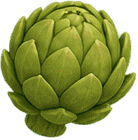 ★ Globe artichoke
- Victoria: May to September
- New South Wales: May to August
Almost all of the country's artichokes come from Victoria, and the crop runs through winter into early spring.
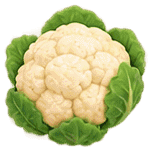 ★ Cauliflower
- Victoria: May to October
- Queensland: July to October
- New South Wales: May to October
A winter vegetable. Victoria grows the most, and the heads are firmest and whitest in the cold months.
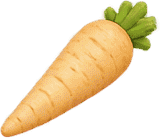 ★ Parsnip
- Victoria: March to November
- Western Australia: March to October
- Tasmania: May to August
A cool season root grown mostly in Victoria and Western Australia, at its sweetest in winter.
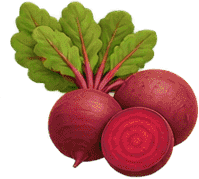 ★ Beetroot
- Queensland: January to September
- Western Australia: May to August
- New South Wales: May to October
Queensland's Lockyer Valley grows most of the country's beetroot, with the best of it through winter.
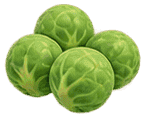 ★ Brussels sprouts
- South Australia: February to September
- Victoria: April to August
- Tasmania: May to August
South Australia's Adelaide Hills grow more Brussels sprouts than anywhere else in the country, and the season is autumn and winter, sweetest after a frost.
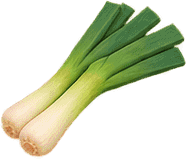 ★ Leek
- Victoria: March to December
- Western Australia: May to October
- South Australia: May to September
A cool season crop grown mostly in Victoria, available from autumn through spring.
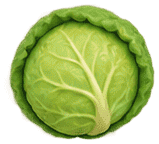 ★ Cabbage
- Queensland: April to October
- Victoria: March to November
- New South Wales: February to October
Grown in almost every state and planted in batches, so there is local cabbage for most of the year. Winter heads are the densest.
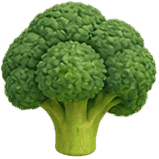 ★ Broccoli
- Victoria: April to January
- Queensland: May to October
- Tasmania: May to October
A cool season crop. Queensland supplies it through winter and Victoria and Tasmania through spring and summer.
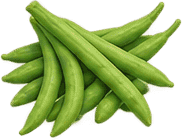 ★ Green beans
- Queensland: February to November
- New South Wales: May to September
- Western Australia: April to September
Queensland supplies beans through the southern winter, and Tasmania and Victoria take over in the warmer months.
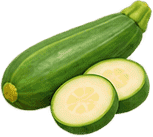 ★ Zucchini
- Queensland: March to December
- New South Wales: April to November
- Western Australia: April to September
Queensland grows zucchini through the southern winter and the southern states take over in summer.
 ★ Peas
- Queensland: July to November
Tasmania grows most of Australia's peas, though mostly for freezing. Fresh snow peas and sugar snaps are a spring crop.
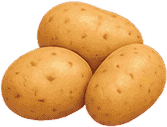 ★ Potato
- Tasmania: All year
- South Australia: All year
- Victoria: All year
Australia's biggest vegetable crop. Tasmania, South Australia and Victoria grow most of it, and staggered plantings plus storage keep local potatoes in supply all year.
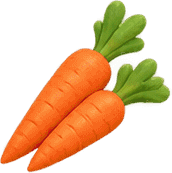 ★ Carrot
- Western Australia: January to September
- Victoria: January to October
- Tasmania: March to November
Western Australia grows the largest share of Australian carrots, and staggered plantings across the states keep them in supply all year.
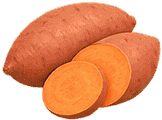 ★ Sweet potato
- Queensland: November to September
Queensland's Bundaberg district grows nearly nine in ten Australian sweet potatoes. They cure and store, so local supply runs most of the year.
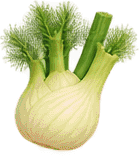 Fennel
- Victoria: June to September
- Queensland: June to September
A cool season crop grown mostly in Victoria, at its best through winter.
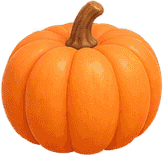 Pumpkin
- Queensland: April to August
- New South Wales: March to August
- Western Australia: March to July
Cures and stores for months after picking, so an autumn pumpkin is still good in winter. Market growers will usually tell you which variety keeps longest.
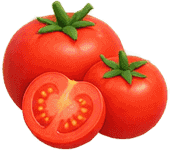 Tomato
- Queensland: May to November
- Northern Territory: May to October
Bowen and Bundaberg supply the country's winter tomatoes and glasshouses fill the rest of the year. A field tomato in Victoria or South Australia is a late summer crop.
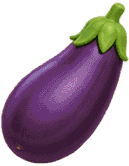 Eggplant
- Queensland: December to July
- New South Wales: December to September
- Western Australia: December to July
A warm season crop from Queensland, South Australia and New South Wales, at its best from late summer into autumn.
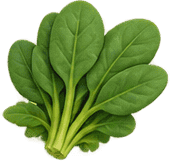 Spinach and silverbeet
- Victoria: All year
- Queensland: All year
- New South Wales: All year
English spinach, silverbeet and kale grow year round in Victoria and Queensland. They are at their best in the cooler months.
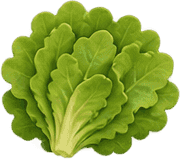 Lettuce
- New South Wales: July to March
Victoria grows lettuce in the warmer months and Queensland's Lockyer Valley takes over for winter, so it never really leaves.
★ At its peak in at least one state this season.
Month by month
June
July
What each state picks in winter
A farmers market only sells what is grown within a drive of it, so the winter list in Hobart and the one in Brisbane have less in common than you would expect.
- Victoria (13): globe artichoke, cauliflower, parsnip, beetroot, brussels sprouts, leek, cabbage, broccoli and more
- New South Wales (15): globe artichoke, cauliflower, parsnip, beetroot, leek, cabbage, broccoli, green beans and more
- Queensland (17): cauliflower, parsnip, beetroot, leek, cabbage, broccoli, green beans, zucchini and more
- Western Australia (11): cauliflower, parsnip, beetroot, leek, cabbage, green beans, zucchini, potato and more
- South Australia (7): cauliflower, parsnip, brussels sprouts, leek, cabbage, potato, pumpkin
- Tasmania (7): cauliflower, parsnip, brussels sprouts, leek, broccoli, potato, carrot
- Northern Territory (1): tomato
Where to buy winter vegetables
A farmers market is where winter produce turns up within a day or two of picking. Every market listing carries its real trading days.
Frequently Asked Questions
- What vegetables are in season in winter in Australia?
- Winter runs from June to August, and 20 vegetables are harvested somewhere in Australia over those months, including artichokes, cauliflowers, parsnips, beetroot, Brussels sprouts, leeks, cabbages and broccoli. What you will find at a market depends on your state.
- Which vegetables are at their best in winter?
- Artichokes, cauliflowers, parsnips, beetroot, Brussels sprouts and leeks reach their peak in at least one growing state during winter.
- Do winter vegetables differ between states?
- Yes, often by months. In winter, peas, sweet potatoes and tomatoes come mostly from Queensland and the Northern Territory. Artichokes, Brussels sprouts and lettuce come mostly from further south. Your state's in season page lists what is being picked closest to you.
- When does winter start in Australia?
- Australia uses meteorological seasons, so winter starts on 1 June and runs to the end of August.
Harvest months from our own research across Australian growing regions and national production figures.